Menards®
- 4.8
- Rating
- 1.00M
- Installs
- Free
- Price

 Analysis by App-foxy
If you shop at Menards, the Menards® app is most useful when you treat it as a practical shopping companion rather than a complete replacement for the store. I found its biggest value in preparing for a trip: checking what I need, looking for relevant savings, and keeping the store’s shopping information close at hand instead of switching between unrelated tools. It is free, aimed at everyone, and developed by Menard, Inc., so its purpose is refreshingly clear from the beginning.
The app belongs to the shopping category and has been available since March 31, 2011. That long presence matters because this is not a novelty app built around one temporary promotion. It is designed for people who already buy home-improvement supplies, household goods, building materials, seasonal products, or other items from Menards and want a faster way to prepare. I would especially recommend it to regular shoppers and people planning a larger project, while occasional visitors may find the store’s ordinary browsing options sufficient.
What to expect before your first shopping trip
The first thing to understand is the app’s role. It connects your mobile shopping routine with Menards rather than trying to become a general marketplace. I would not install it expecting a broad comparison-shopping tool that searches every retailer at once. Its strength is staying focused on the Menards experience, which can make it more useful when you already know where you intend to shop.
You May Also Like

 Blood Strike: 2.5 Anniversary
Blood Strike’s Loadouts Turn Every Drop Into a Tactical Gamble
A close look at Blood Strike’s custom loadouts: how fast access to signature weapons reshapes its battle royale rhythm, rewards preparation, and narrows the gap between fights.

 Pandora - Music & Podcasts
Pandora’s Music Is Easy to Start, but Harder to Recover
Pandora’s strength is its low-effort path from a seed to a station. Its weak spot is how much confidence it asks you to place in connection, setup, and quiet recovery.

 8 Ball Pool
 Is Built on Rivalries, Rematches, and Routine
A close look at the rivalries, rematches, shared routines, and unanswered safety questions that turn a quick pool match into a persistent mobile community.

 Samsung Music
’s Quiet Strength Is Playing What You Already Own
Its reach comes less from spectacle than from dependable access to a personal library. That simplicity is both the app’s strongest retention engine and its ceiling.

 AccuWeather: Weather Radar
AccuWeather Review: A Quick, Clear Forecast for Everyday Decisions
For everyday plans, the best forecast is the one you can understand quickly. AccuWeather makes rain timing, radar, and local conditions easy to act on, with a few trade-offs.

 Hill Climb Racing
Why Hill Climb Racing Still Turns Crashes Into One More Run
A tiny car, a bumpy hill and one more upgrade: Hill Climb Racing keeps resurfacing because its simple chaos makes every near-miss feel personal.
More From Our News Desk



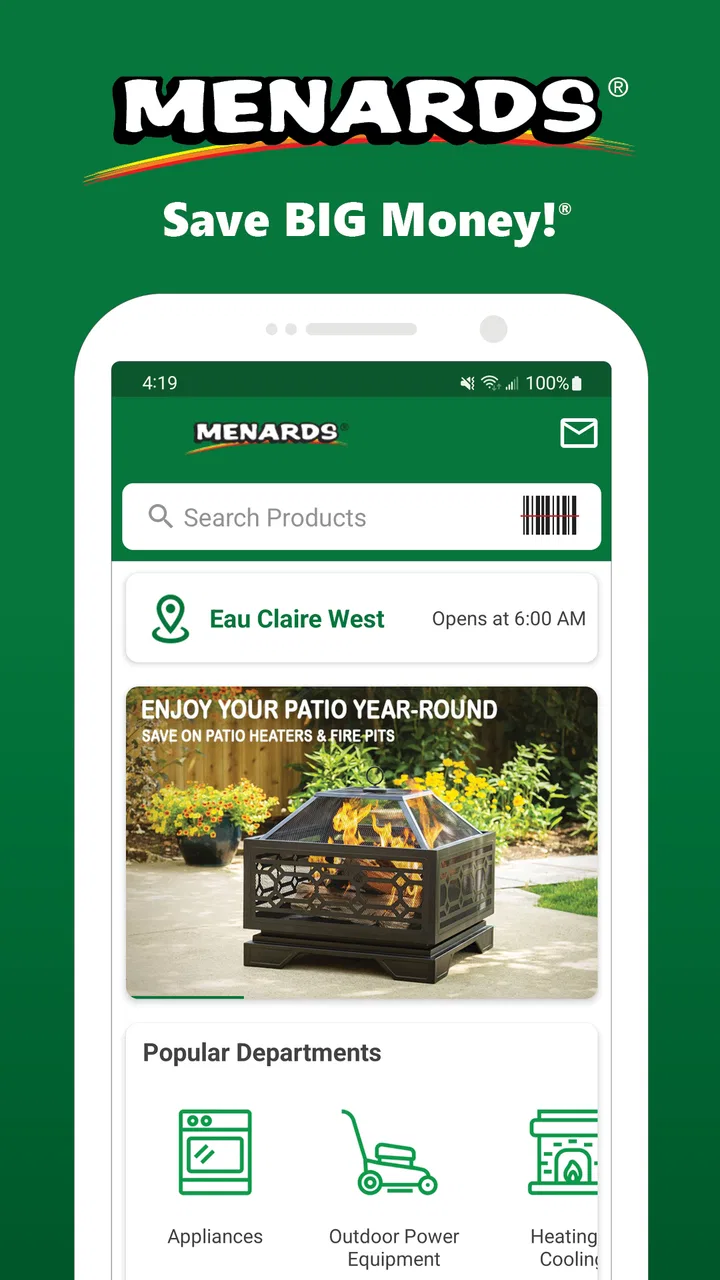
The store summary emphasizes saving money and moving quickly, but the practical benefit depends on how deliberately you use it. A quick glance before leaving home can be worthwhile, especially when your purchase list includes several categories. For a small emergency purchase, opening the app may feel like an extra step. For a planned visit, that same step can help you avoid arriving without a clear idea of what you want to check.
The app currently appears as version 11.17.0.169 and requires a device running operating system version 9 or later. That makes it accessible on many older compatible devices, although the experience can still vary depending on the phone itself, screen size, and connection quality. I would update the app when an update is available, particularly if you depend on it during a busy shopping trip rather than using it casually at home.
Its popularity is easy to see: it has passed one million installs, with an average rating of 4.8 from roughly sixty-nine thousand ratings and about six thousand three hundred written reviews. Those figures suggest that many shoppers find it worthwhile, but they should not be mistaken for a guarantee that every task will feel effortless. A strong rating can tell you that the overall experience works for a large audience; it cannot remove the need to learn where the information you want is located.
One useful mindset is to open the app before you are already standing in an aisle. At home, you have time to decide what matters: savings, product research, store preparation, or simply having Menards information available. In the store, your attention is divided between labels, measurements, staff, carts, and the project itself. Preparing first is the difference between using the app as a tool and using it as a last-minute search box.
Who will get the most from it
I see the clearest benefit for homeowners, renters handling repairs, do-it-yourself builders, and anyone who visits Menards often enough to recognize recurring shopping patterns. If you regularly buy supplies for maintenance or seasonal work, the app can become part of your pre-trip checklist. It is also a reasonable choice for a first-time Menards shopper who wants one official place to begin instead of relying on scattered browser searches.
It is less compelling for someone who rarely shops at Menards, already has a perfectly organized paper list, or mainly wants impartial price comparisons across several stores. In those cases, a general retailer comparison tool or a simple notes app may be better suited to the job. The Menards app is strongest when the destination is already decided.
Setting it up without making the process harder
Installation is straightforward because the app is free and carries an Everyone content rating. After installing it, I recommend resisting the urge to explore every area immediately. Start with the reason you downloaded it. If you are preparing for a project, keep the project list nearby and use the app to answer one practical question first, such as what you need to investigate before visiting the store.
Account-related screens, shopping information, and store-oriented tools can feel more useful once you have a specific purpose. Instead of tapping randomly, I would begin by looking for the main shopping path and then checking whether the information shown matches your intended trip. This approach also makes it easier to notice when you are viewing general product information rather than something tied to a particular store visit.
A helpful first setup habit is to organize your shopping mentally by task rather than by aisle. For example, separate a weekend repair into paint, fasteners, tools, and cleanup supplies. That makes the app more useful because you are not merely browsing products; you are checking whether the planned visit covers the whole job. It also exposes missing items before you leave, which is often more valuable than finding one attractive deal.
Another small but important habit is to verify the store context before relying on information during a trip. Retail details can matter locally, and a shopper may move between stores or begin planning at home before deciding where to go. I would check that the app is showing the location or shopping context I actually intend to use, rather than assuming the first screen automatically reflects the right destination.
If you are concerned about using the app on an older phone, the minimum operating-system requirement is not especially demanding, but compatibility alone does not promise a perfect experience. Keep the app updated and give it a moment to load when opening it in a weak-signal area. For a large project, I would also write down the most important items instead of depending entirely on a live screen in the middle of the store.
Making the first successful action concrete
Your first meaningful success should be small and measurable. Before a shopping trip, open the app, identify one product or shopping need, review the relevant information, and use that result to improve your list. If you can leave home knowing what you want to investigate and why, the installation has already paid off in convenience, even before you make a purchase.
Here is the everyday scenario I would use to learn the app. Imagine that I need to repair a loose gate. I would first write down the problem, then divide the likely needs into hardware, tools, and any finishing material. In the app, I would look through the Menards shopping experience for those categories and note which items deserve a closer look. The goal is not to browse endlessly; it is to turn a vague repair into a focused store visit.
For a larger renovation, I would repeat that process in stages. Start with the materials that determine the project, then check secondary supplies, and finally look for items that are easy to forget. This is one of the less obvious ways to get value from a retailer app: use it to test the completeness of your plan, not just to search for the most visible item.
I also recommend taking a screenshot or writing down essential details when you have a stable connection and know what you need. I would not assume that every screen will be equally convenient while moving through a crowded store. The app can support the trip, but a backup note protects you from battery, reception, or attention problems. That is not a criticism unique to Menards; it is simply sensible preparation for any mobile shopping tool.
For savings-focused shoppers, the first successful action can be checking the app before finalizing a list rather than after reaching the checkout area. This changes the timing of the decision. You can compare the planned purchase with the current shopping information while you still have time to adjust quantities, postpone a nonessential item, or investigate an alternative. The important trade-off is that saving requires attention: the app can surface information, but you still have to decide whether it fits your project and budget.
Where first-time users may become confused
The most common source of friction is expecting every part of the app to behave like a simple product catalog. Retail apps often combine browsing, store preparation, account-related areas, and savings information, and the most useful path may not be the first one a new user imagines. If a screen feels unclear, I would step back and ask what task it supports instead of tapping through every option.
Another possible confusion is the difference between discovering an item and confirming that it is the right choice for a particular project. A product page or shopping result can help you identify something to investigate, but measurements, compatibility, quantity, and the surrounding materials still require your judgment. I would never let the convenience of a mobile listing replace checking the details that matter for a repair or construction job.
It is also easy to overestimate what a retailer-specific app can do compared with a general search engine. A broad web search may be better when you are learning unfamiliar terminology, comparing brands across stores, or looking for independent instructions. Menards® is more valuable once Menards is part of the plan. I would use a general search tool for outside research and this app for the store-specific part of the decision.
Price-focused shoppers should keep the whole purchase in view. A saving attached to one item does not automatically make an incomplete project economical if it causes another trip or leaves out necessary supplies. My practical approach is to compare the total planned job, not just the most noticeable reduction. This is especially important for hardware and repair materials, where a small missing component can cost more time than the original purchase.
Some users may also wonder whether the app is suitable for a quick in-store lookup. It can be, but I would not make that its only purpose. A phone screen is harder to use when your hands are occupied, the aisle is busy, or you are comparing physical products. The better workflow is to prepare at home, use the app for targeted checks in the store, and keep a simple written or remembered priority list for the final decision.
People who dislike retailer apps because they do not want another account or another shopping channel should consider whether the convenience justifies the commitment. For a one-time purchase, probably not always. For repeated Menards visits, the official app can earn its place by reducing repeated searching and helping you approach each trip with more structure. I would install it when there is a recurring need, not merely because every retailer has an app.
Using it alongside, rather than instead of, other tools
Compared with a paper list, the app can make store preparation more dynamic, especially when you want to investigate products or savings before leaving. Paper still wins for speed, battery independence, and a quick tick mark while carrying a basket. I use the two together: the app for research and preparation, and a short list for the items that absolutely cannot be forgotten.
Compared with a general shopping marketplace, Menards offers a narrower but more relevant experience if you already intend to shop there. A marketplace may be better for comparing many sellers, delivery options, or unrelated household purchases. The Menards app is better when you want the official retailer context and are planning a visit around Menards products and stores.
Compared with a mobile browser, a dedicated app can feel more direct because it keeps the shopping experience in one place. The browser remains useful when you are researching from a computer, sharing information, or comparing several retailers in separate tabs. I would choose the app for repeat, mobile-first shopping and the browser for broader research or occasional access.
What I would do after the first trip
Once you have completed one useful shopping session, the next step is to turn the app into a repeatable routine. Before each Menards visit, spend a few minutes reviewing the project list, checking the shopping information that matters to you, and separating essential purchases from optional ones. This makes the app more valuable over time because it becomes part of planning rather than a source of last-second browsing.
For recurring home maintenance, keep a running list of future needs and use the app when you are ready to prepare the next trip. That workflow is more efficient than opening the app only when something breaks. It also gives you a chance to group errands and think about materials together, which can reduce the number of separate visits.
I would also pay attention to which parts of the experience genuinely save me time. If I repeatedly use the app for one specific preparation task, I would make that the starting point every time. If another section adds more tapping than value, I would skip it. The best retailer app is not the one you explore most; it is the one that removes friction from the shopping decisions you actually make.
There are situations where I would choose a different option. If I need expert project advice, independent product testing, or a comparison across several retailers, I would supplement the app with specialist resources or a general search. If I am buying one familiar item and already know exactly where it is, I may not open the app at all. Honest usefulness means recognizing those limits instead of forcing every shopping task through one application.
For a Menards customer, though, the balance is favorable. The app is free, broadly accessible, and backed by a strong user response, while its official connection to Menard, Inc. makes it a natural starting point for store-specific planning. Its best results come from focused use: prepare at home, check the details that affect your project, confirm the shopping context, and keep a backup list for the physical trip.
My final recommendation is simple: install Menards® if you shop there regularly or have a project that needs careful preparation. Begin with one concrete task instead of trying to master the entire app, and judge it by whether that task becomes easier. If you want a universal comparison service, it is not the right tool. If you want a practical mobile companion for planning Menards purchases and approaching the store with fewer surprises, it is worth keeping on your phone.
FAQs for Menards®
01What is the Menards® app used for?
The Menards® app is designed to enhance your shopping experience by providing easy access to store information, product details, and online purchasing options. It allows users to browse through a wide range of products, check current sales promotions, and manage their account all within a user-friendly interface.
02Can I use the Menards® app for online orders and in-store pickup?
Yes, the Menards® app supports online orders with the option for in-store pickup. This feature allows you to conveniently shop from home and pick up your items at a nearby store, saving time and ensuring product availability. Simply select your preferred store during checkout.
03Does the Menards® app have any loyalty or rewards program integration?
The app integrates with Menards’ loyalty program, allowing you to track your rebate balance and purchase history. You can easily manage your account and view personalized offers, ensuring you maximize savings on every shopping trip. Make sure to register or log in to access these features.
04Are there any tools in the Menards® app to help with project planning?
Yes, the Menards® app includes various tools to assist with project planning. You can access how-to guides, project calculators, and a wish list feature to organize and plan your home improvement tasks effectively. These resources are designed to make your projects more manageable and successful.
05Is the Menards® app available on both Android and iOS devices?
The Menards® app is available for download on both Android and iOS platforms. You can find it on the Google Play Store for Android devices and the Apple App Store for iOS devices. Ensure your device meets the app’s system requirements for optimal performance.
Pros
- User-friendly interface for easy navigation.
- Comprehensive product search and filter options.
- Loyalty program integration for rewards.
- Frequent updates with new features and fixes.
- Secure checkout process with multiple payment options.
Cons
- Occasional slow loading times.
- Limited customization for notifications.
- Requires a stable internet connection.
- Some features not available offline.
- Occasional bugs in the shopping cart.

Menards®
Gallery